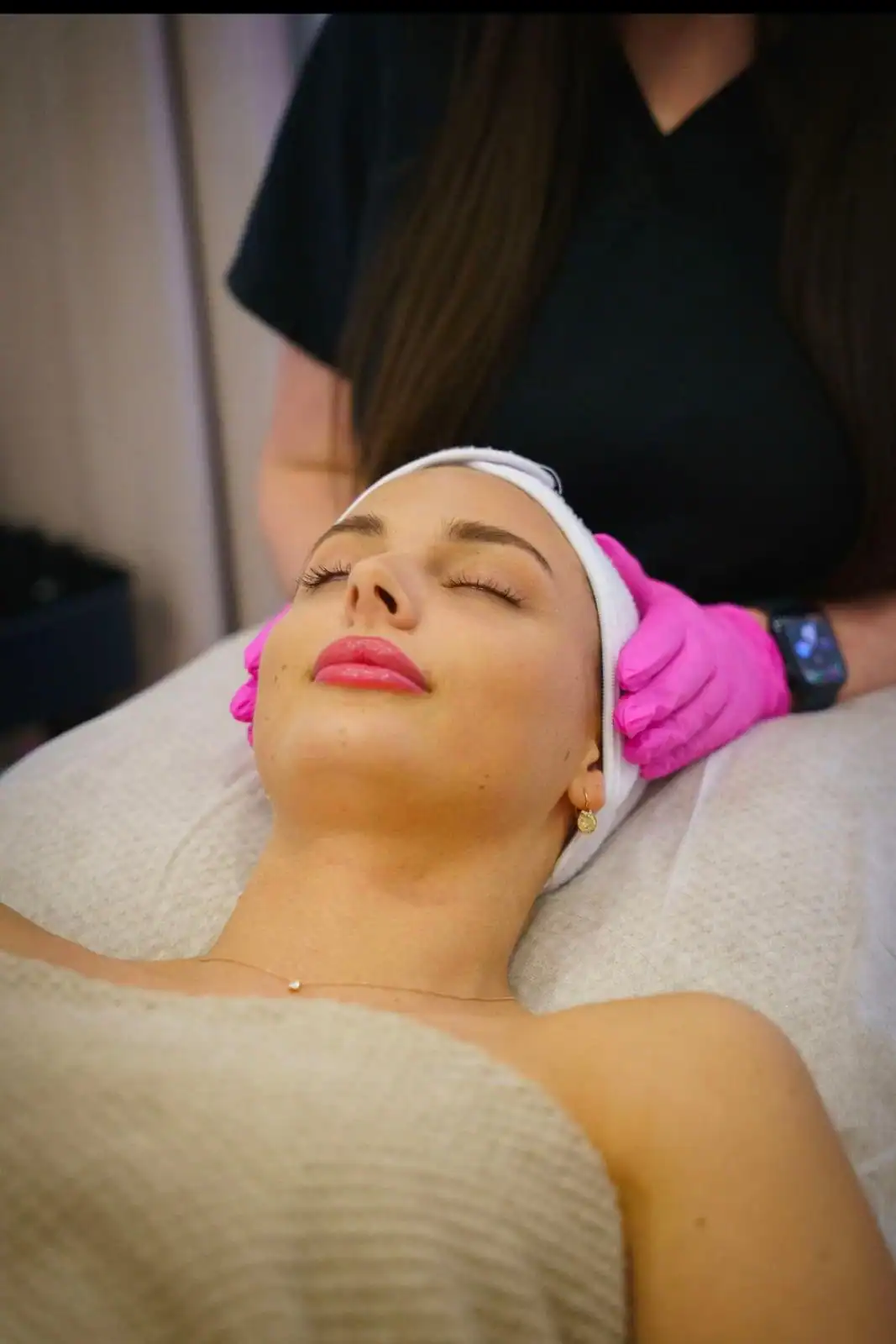
During adolescence, the skin undergoes hormonal changes that often lead to increased oil production, clogged pores, blackheads, and acne. Regular, professionally performed facial cleansing helps keep the skin healthy, reduces the risk of inflammation, and prevents new breakouts.
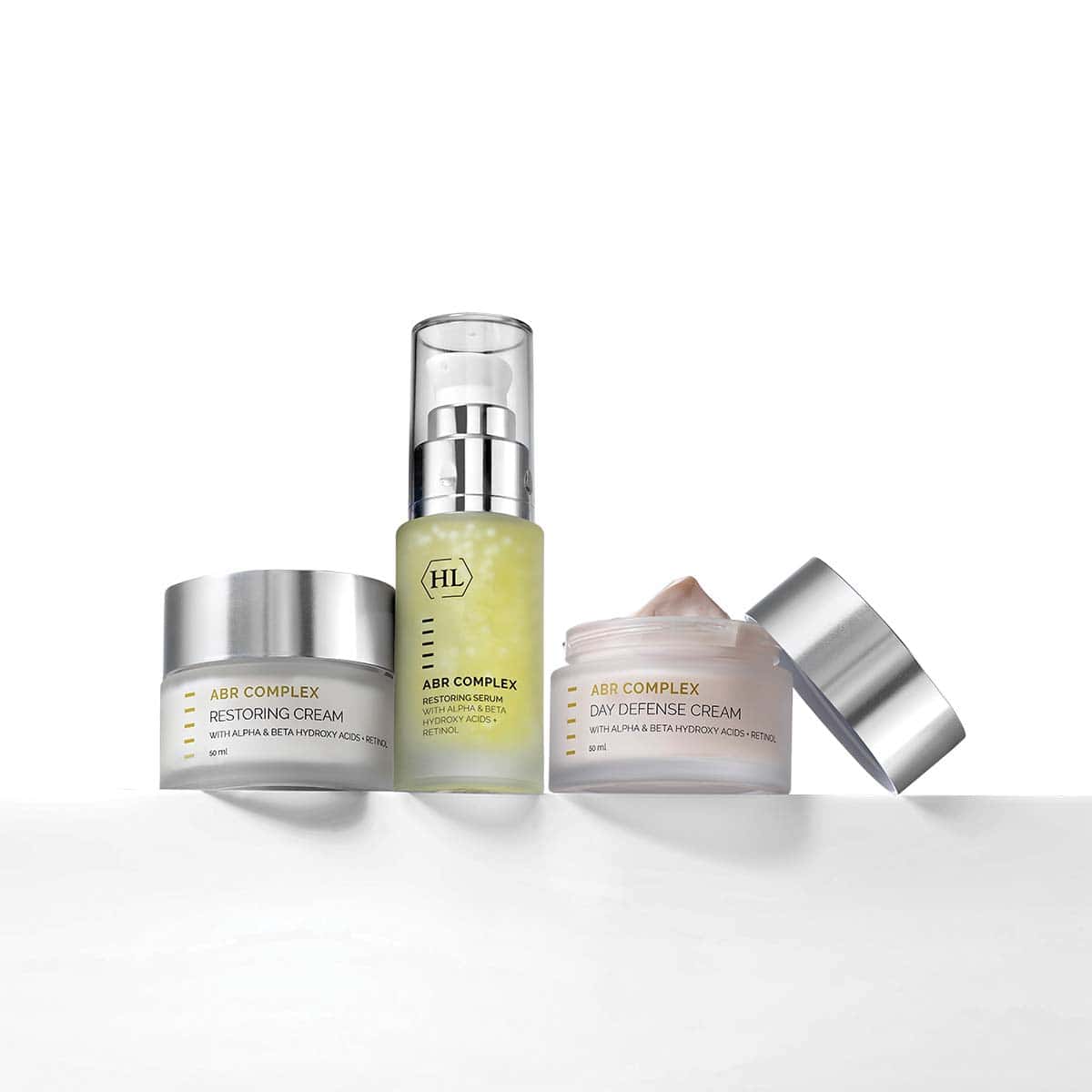
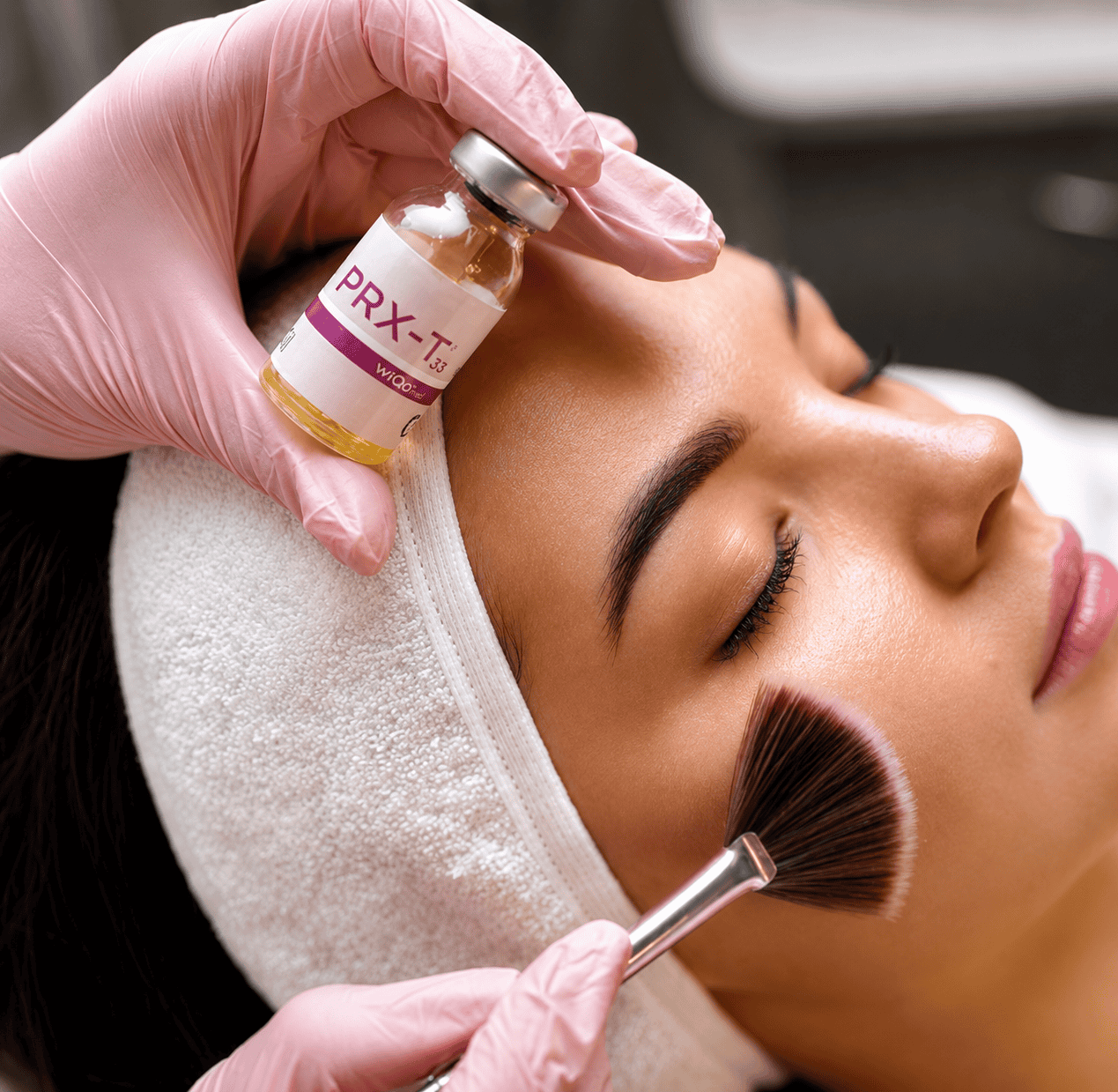
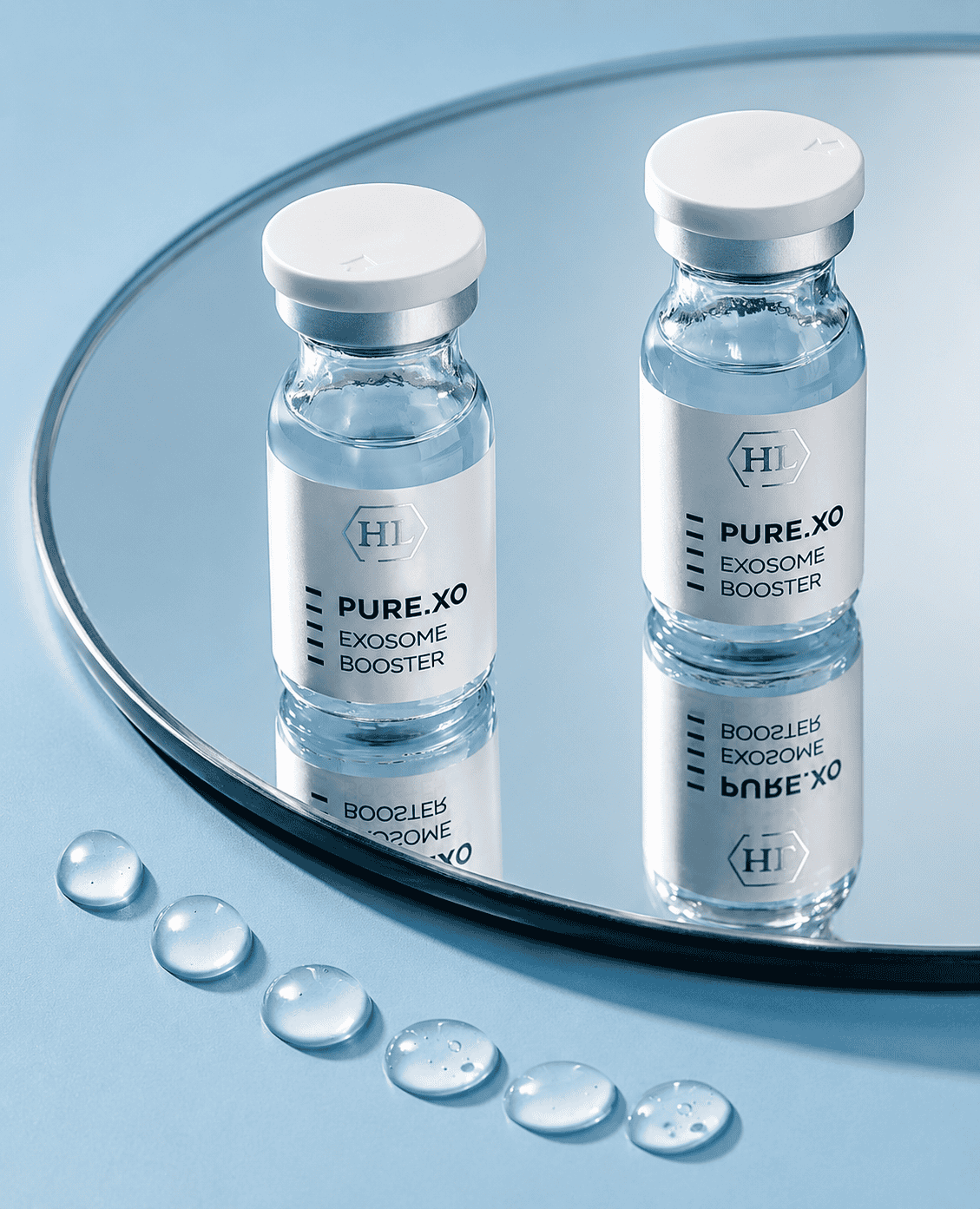
During the procedure, we use Holy Land Cosmetics professional skincare products designed for the care of problematic and acne-prone skin. The products gently yet effectively cleanse the skin, help regulate sebum production, reduce pore blockage, and promote the skin’s natural renewal. mnjj-
- Deeply cleanses pores and reduces the formation of blackheads.
- Helps reduce acne and signs of inflammation.
- It regulates overactive sebaceous glands and reduces skin shine.
- Promotes skin renewal and improves its texture.
- Reduces the risk of new rashes forming.
- Soothes inflamed and sensitive skin.
- Improves the skin's moisture balance and strengthens its protective barrier.
- Promotes a more even and healthier complexion.
- Helps prepare the skin for more effective results from daily skincare products.
- For young people with oily or combination skin.
- For skin prone to acne and pimples.
- For clogged pores and blackheads.
- For skin with enlarged pores and excessive oil production.
- For mild to moderate acne.
- For skin with an uneven texture and acne scars.
- For young people who want to improve their skin and learn proper daily skincare routines.
- For preventive skin care to help prevent new rashes from forming.
Facial cleansing with Holy Land Cosmetics combines a professional approach with dermatologically tested products, ensuring deep cleansing without irritation and visible skin improvement after just the first treatment.
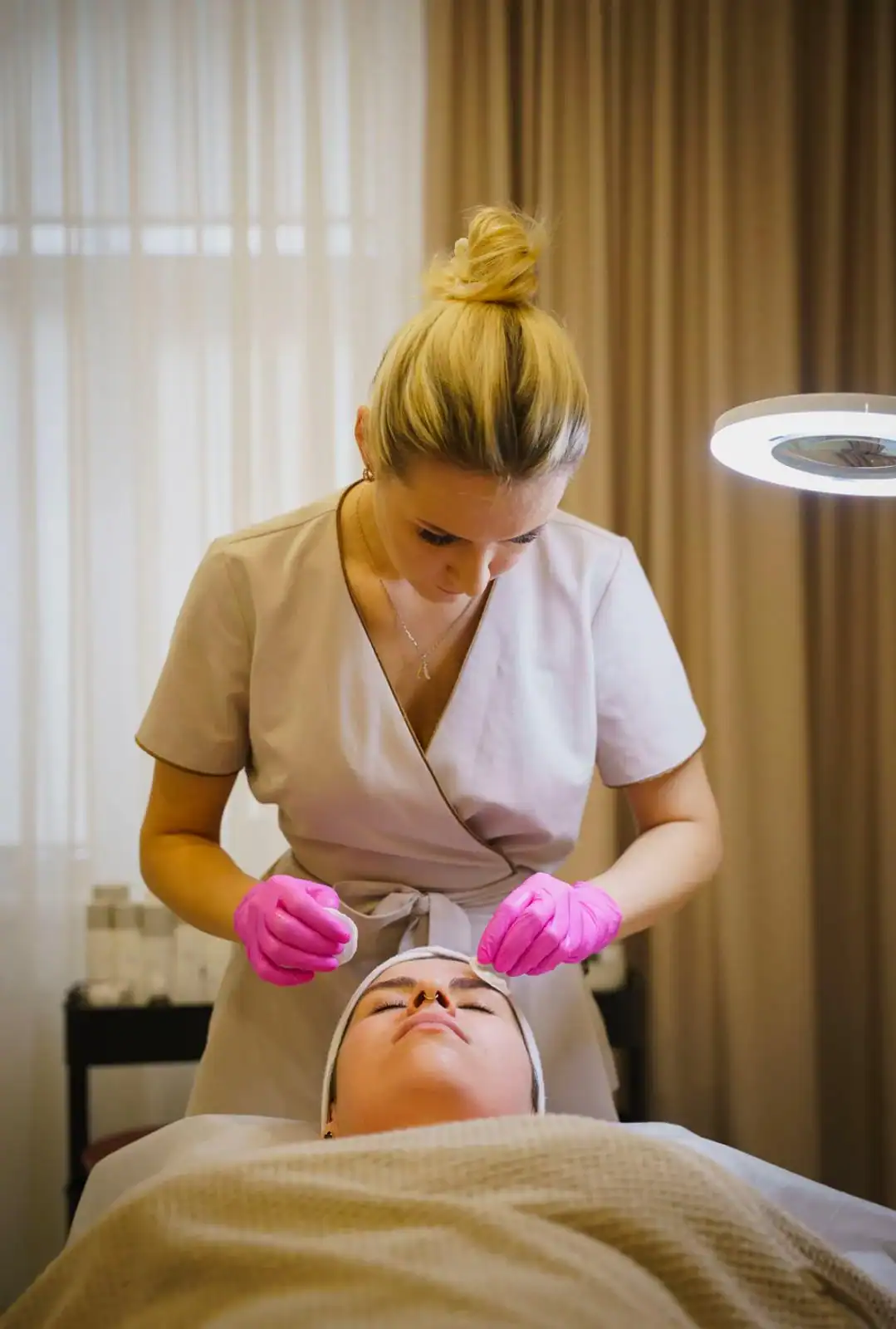
The procedure begins with an assessment of the skin's condition and a consultation to determine the most appropriate skincare plan. The face is then thoroughly cleansed to remove impurities, excess sebum, and makeup residue.
Using Holy Land Cosmetics Using professional products, the skin is prepared for a deeper cleansing. If necessary, blackheads and clogged pores are gently removed, following the principles of non-traumatic cleansing.
After cleansing, soothing and anti-inflammatory products are applied to help reduce redness, balance the skin, and promote its regeneration. At the end of the treatment, a protective cream is applied, and personalized recommendations are provided for daily at-home skincare to maintain the results achieved and improve skin health in the long term.
Recommendations Before the Procedure
- Do not use harsh exfoliants, scrubs, or products containing retinol or high concentrations of acids 24 hours before the procedure.
- On the day of your procedure, please arrive without any makeup or with only a minimal amount.
- Tell the specialist about any medications you are taking, any allergies you have, and any skin conditions you have.
- If you are taking prescription medications to treat acne, be sure to inform your healthcare provider.
- If you have an active herpes virus, acute inflammation, or other skin infections, it is recommended that you postpone the procedure.
Recommendations After the Procedure
- During the first 24 hours, avoid touching your face unnecessarily and do not use makeup.
- Avoid saunas, steam rooms, hot baths, and intense physical activity for 24–48 hours.
- Do not use scrubs, exfoliants, retinol, or products containing acids for 3–5 days after the procedure, or as recommended by a specialist.
- Use sunscreen with an SPF of 30–50 every day, especially on sunny days.
- Use the skin care products recommended by a specialist to maintain the results of the treatment.
- Mild redness or sensitivity after the procedure is considered normal—it usually subsides within a few hours to 1–2 days.
- For best results, follow the recommended treatment regimen and maintain a regular at-home skincare routine.
The procedure is not recommended in the following cases:
- Active herpes virus in the facial area.
- Skin infections caused by bacteria, fungi, or viruses.
- Open wounds, abrasions, or burns in the treatment area.
- Severe forms of acne that require supervision by a dermatologist.
- Systemic treatment with isotretinoin or a recently completed course of treatment (a specialist will evaluate the suitability of the procedure).
- Elevated body temperature, an acute illness, or feeling unwell.
If there are any doubts about the suitability of the procedure, the specialist will assess the condition of your skin and your medical history before performing it to ensure safe and effective treatment.