November 13, 2025
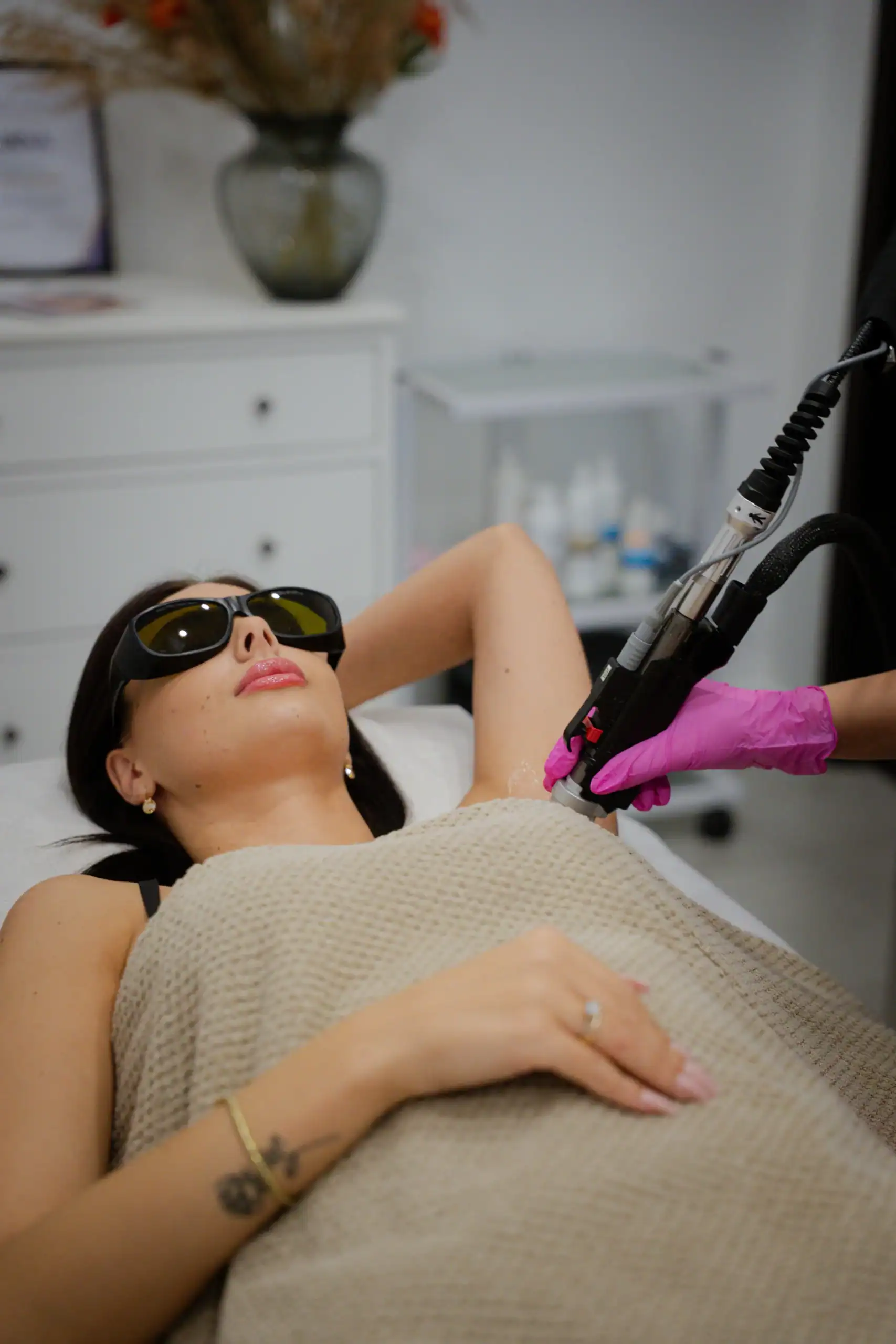
Laser Hair Removal: Why Doesn't the Hair Disappear Completely?
These days, the cosmetics market is huge—every day we use dozens of products: creams, shampoos, makeup, and perfumes. However, we don’t always realize that, what's hidden in the ingredients of these products. Some cosmetic ingredients may contain substances with potentially carcinogenic, or cancer-causing, effects, which, if used over a long period of time, may have adverse effects on health.
That is why it is important to understand how to choose safe cosmetics, which ingredients to avoid, and how to select products that are not harmful to your health. This article will help you navigate these topics and familiarize yourself with concepts such as “carcinogens in beauty products,” “safe cosmetics,” and “hazardous ingredients in cosmetics.”.
Carcinogens are chemical substances that, when exposed to them continuously or over a long period of time, can cause cell damage and increase the risk of developing cancer. In cosmetics, they may be found:
| Substance group | Examples and Names | Risks / Impact |
|---|---|---|
| Formaldehyde-releasing agents | DMDM Hydantoin, Imidazolidinyl Urea, Diazolidinyl Urea, Quaternium-15 | May cause skin and respiratory tract irritation and may induce mutagenic reactions |
| Parabens | Methylparaben, Propylparaben, Butylparaben | Endocrine system disorders; possible mutagenic effects |
| SLS / SLES | Sodium Lauryl Sulfate, Sodium Laureth Sulfate | Skin and eye irritation; SLES may contain 1,4-dioxane |
| Phthalates | DBP, DEHP, etc. (sometimes listed as “fragrance” or “parfum”) | Endocrine disorders, hormonal effects |
| Mineral Oil / Paraffinum Liquidum | unrefined mineral oils, paraffin | May contain impurities from oil refining and clog pores |
| Triclosan / Triclocarban | Triclosan, Triclocarban | Hormonal effects, antibiotic resistance |
Cosmetics brands that adhere to safety standards and do not use carcinogenic ingredients offer:
When choosing cosmetics, we often focus on the scent, the packaging, and the promises made in advertisements, but What matters most is what lies hidden in the “little words”—in the composition. Understanding which substances are potentially hazardous and how to identify them in product formulations is an important step toward safer beauty.
When choosing products for the face and body, safety and health should not be sacrificed for better results.